

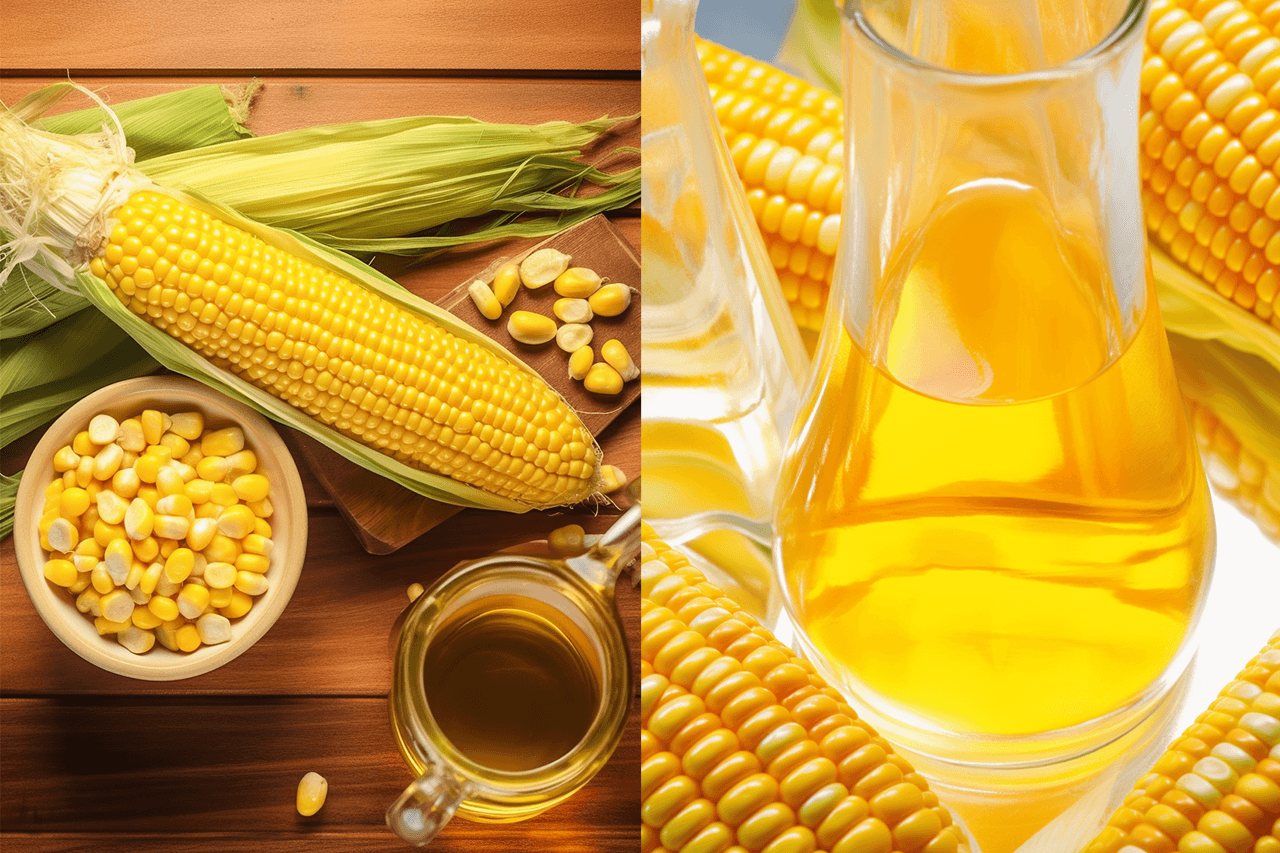
Corn oil and corn syrup are distinct products with different culinary uses. Corn oil is a type of vegetable oil extracted from corn kernels. It’s commonly used for cooking, frying, and baking due to its high smoke point and mild flavor. It’s also known for its heart-healthy unsaturated fats. On the other hand, corn syrup is a sweet syrup made from cornstarch. It’s often used as a sweetener in various recipes, particularly in baking and confectionery, to enhance texture and prevent crystallization. While corn oil is a cooking oil, corn syrup is primarily used as a sweetening agent. It’s important to use both products in moderation to maintain a balanced diet.
Summary
Corn syrup and corn oil are two common products made from corn, but they have distinct origins, processes, textures, tastes, uses, and fat content. Corn syrup is a sweet, thick liquid used as a sweetener, while corn oil is a cooking oil with various culinary applications.
Facts
- Corn syrup is made from corn starch, while corn oil is extracted from the germ of corn kernels.
- Corn syrup undergoes a complex enzymatic process to break down starch into glucose, while corn oil is extracted through crushing and pressing the corn germ.
- Corn syrup is a thick, sweet liquid used in food production and as an adhesive or binding agent in industrial settings. Corn oil is a thin, clear oil primarily used for cooking and occasionally found in skincare and cosmetics products.
- Corn syrup is sweeter than corn oil, making it ideal for sweet treats, while corn oil’s neutral taste makes it versatile for various cooking purposes.
- Corn syrup is 100% carbohydrate with no fat content, while corn oil is 100% fat, making it higher in calories.
- Corn syrup has been linked to obesity and diabetes due to its high fructose content, while corn oil has been associated with heart disease and other health problems.
- Choosing between the two depends on individual preferences and specific culinary needs.
Corn is a versatile crop that has found its way into numerous culinary applications. Two popular corn-derived ingredients are corn oil and corn syrup. While these two ingredients may sound similar, they have distinct differences in composition, uses, and impact on health. In this article, we will explore these differences and provide insights into how to make informed choices in your culinary endeavors.
Key Takeaways:
- Corn oil is a cooking oil derived from the germ of corn kernels, while corn syrup is a sweetener made from corn starch.
- Corn oil is primarily composed of fats, while corn syrup is predominantly made up of sugars.
- Corn oil can be used for frying, sautéing, and baking, while corn syrup is mainly used as a sweetening agent.
- Corn oil offers several health benefits, including promoting heart health, while excessive consumption of corn syrup has been linked to health issues such as obesity and diabetes.
- It is important to consume both corn oil and corn syrup in moderation as part of a balanced diet.
What is Corn Oil?
Corn oil is a cooking oil that is derived from the germ of corn kernels. It is produced by refining the germ, which is the part of the corn kernel that contains the oil. The extraction process separates the germ from the rest of the corn kernel, leaving behind a pure and mild-flavored oil.
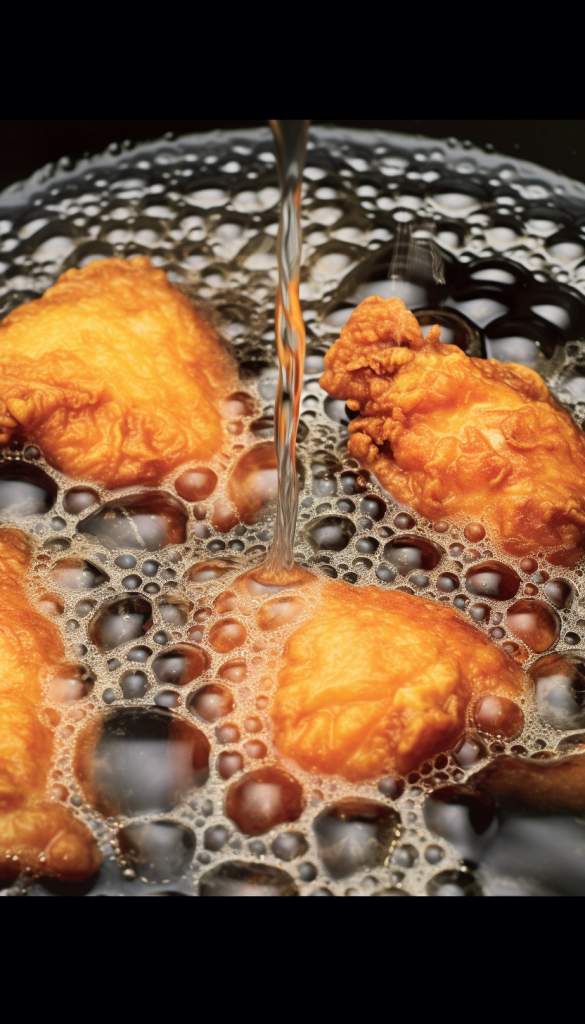
Corn oil is commonly used in various culinary applications, such as frying, sautéing, and baking. It has a high smoke point, which means it can withstand high temperatures without breaking down or producing smoke. This makes it ideal for deep-frying and stir-frying.
Not only is corn oil versatile and delicious, but it also offers several health benefits. It contains unsaturated fats, such as monounsaturated and polyunsaturated fatty acids. These fats can help lower bad cholesterol levels and reduce the risk of heart disease. Corn oil is also a good source of vitamin E, a powerful antioxidant that supports healthy skin and immune function.
What is Corn Syrup?
Corn syrup is a sweetener made from corn starch. It is commonly used in the food industry as a substitute for sugar. Corn syrup comes in various forms, including high fructose corn syrup, which is widely used in processed foods and beverages. The main function of corn syrup is to enhance sweetness and provide texture in recipes.
While corn syrup is often used as a sugar substitute, it is important to note that it is not a healthier alternative. Corn syrup is primarily composed of simple sugars, particularly glucose and fructose. Consuming excessive amounts of corn syrup, especially high fructose corn syrup, has been linked to health issues such as obesity, type 2 diabetes, and high triglyceride levels.
Did you know? High fructose corn syrup is present in many processed foods and drinks, including soda, candy, and baked goods.
Despite being a highly processed ingredient, corn syrup is valued in recipes for its ability to add moisture and sweetness. It is commonly used in desserts such as pecan pie, caramel, and fudge. Corn syrup is also used to sweeten beverages, sauces, and marinades.
Differences in Composition
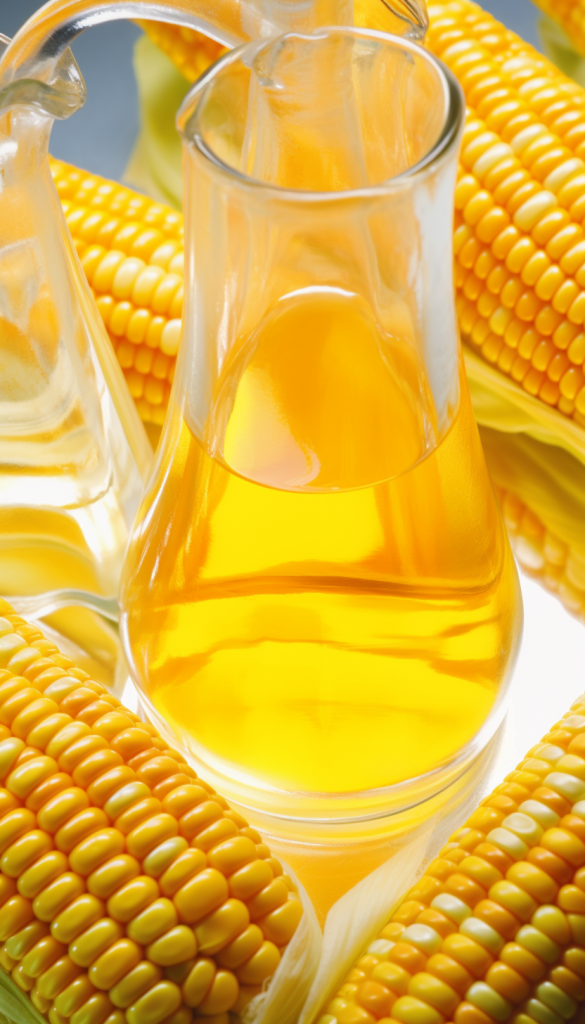
Corn oil and corn syrup have distinct compositions. Corn oil consists mainly of fats, specifically unsaturated fats such as monounsaturated and polyunsaturated fatty acids, making it an excellent alternative to other oils high in saturated fats. On the other hand, corn syrup predominantly contains sugars, primarily glucose and fructose. In contrast to corn oil, corn syrup is not recommended as a substitute for traditional sugar due to its high fructose content.
The differences in composition between corn oil and corn syrup make them suitable for different culinary applications. Corn oil is ideal for cooking methods such as baking, grilling, and stir-frying, while corn syrup is used primarily as a sweetening agent in recipes such as candies, baked goods, and sauces. By understanding the characteristics of these two corn-derived ingredients, you can choose the right one for your desired culinary outcome.
Uses in Cooking
Corn oil and corn syrup have distinct roles in the culinary world. Corn oil is a versatile cooking oil that is primarily used in deep frying, sautéing, and baking. Its high smoke point enables it to withstand high heat without breaking down, making it a popular choice for fried foods. Additionally, it has a mild flavor that complements a wide range of dishes.

Corn syrup, on the other hand, is primarily used as a sweetener in recipes. It adds moisture and sweetness to baked goods, candies, and sauces. Corn syrup is particularly useful in recipes where sugar is the primary ingredient, such as pecan pies or caramel. However, due to its high sugar content, it should be used in moderation to avoid an overly sweet flavor profile.
Nutritional Value
When it comes to nutritional value, corn oil is relatively high in calories and fat. One tablespoon of corn oil (14g) contains around 120 calories and 14g of fat. However, it is important to note that most of the fat in corn oil comes from beneficial fatty acids, such as omega-6 and omega-9. These fatty acids are essential for the body and can help lower the risk of heart disease when consumed in moderation.
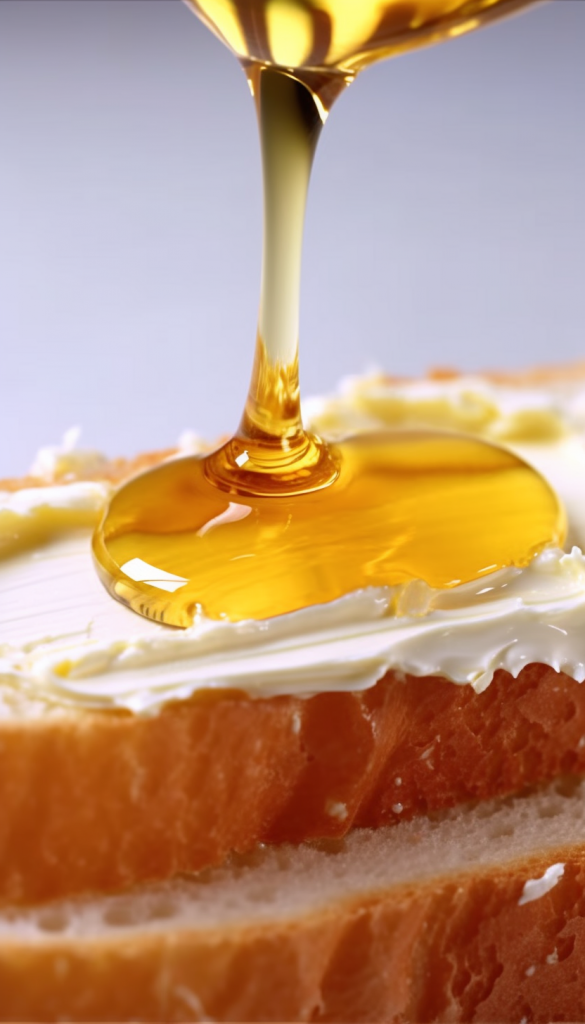
On the other hand, corn syrup is primarily composed of carbohydrates, specifically sugar. One tablespoon of corn syrup (21g) contains around 60 calories and 17g of carbohydrates. While these carbohydrates provide quick energy, excessive consumption can lead to health issues such as obesity, diabetes, and increased triglyceride levels. Therefore, it is important to consume corn syrup in moderation as part of a balanced diet.
Impact on Health
Corn oil and corn syrup have different impacts on health due to their distinct compositions and usage. While corn oil is considered beneficial for heart health and cholesterol levels due to its unsaturated fatty acids, corn syrup, particularly high fructose corn syrup, has been linked to negative health effects when consumed in excess.
Studies have shown that high fructose corn syrup can lead to obesity, diabetes, and increased triglyceride levels. This is because the body metabolizes high fructose corn syrup differently than other sugars, leading to insulin resistance and other health issues. As such, it is important to moderate the consumption of corn syrup and opt for alternatives like honey or maple syrup when possible.
On the other hand, corn oil has potential health benefits when consumed in moderation. Its monounsaturated and polyunsaturated fats can help reduce bad cholesterol levels and lower the risk of heart disease. However, it is important to consider the overall calorie and fat intake when using corn oil in cooking or recipes.
Role in Recipes
Corn oil and corn syrup play different roles in cooking and baking. Corn oil is a versatile cooking oil that can be used for frying, sautéing, and baking. Its mild flavor and high smoke point make it ideal for dishes that require high heat, such as stir-fries and deep-fried foods. Corn oil can also be used as a substitute for other cooking oils, depending on the desired flavor profile of the recipe.

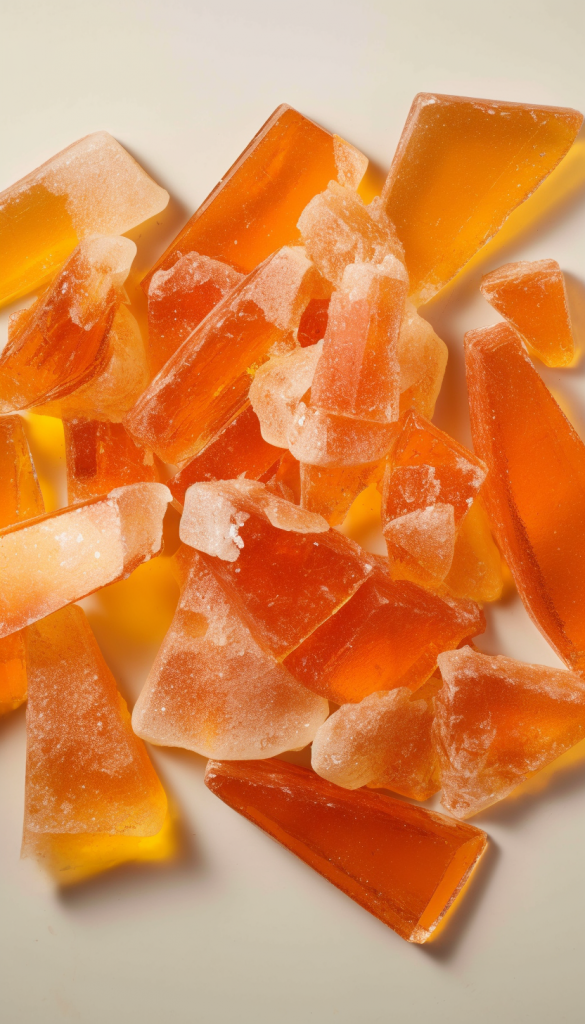
On the other hand, corn syrup is primarily used as a sweetening agent in recipes. It adds moisture and sweetness to baked goods, candies, and sauces. Corn syrup comes in varying grades, with light corn syrup being the most commonly used in recipes. Dark corn syrup has a stronger flavor and is often used in recipes that call for a more pronounced flavor, such as pecan pie.
If you are looking for substitutes for corn oil or corn syrup, there are several options available. For corn oil, you can use other cooking oils such as vegetable oil or olive oil, depending on the desired flavor of your dish. For corn syrup, you can use alternative sweeteners such as honey, maple syrup, or agave nectar. Keep in mind that these substitutes may alter the flavor and texture of your recipe, so it is best to experiment and adjust the amounts accordingly.
Considerations for Allergies and Dietary Restrictions
It’s important to be aware of potential allergies and dietary restrictions when using corn oil and corn syrup in your cooking. While corn oil is generally considered gluten-free and safe for those with celiac disease or gluten intolerance, individuals with corn allergies should avoid it.
Corn syrup, on the other hand, is generally safe for most individuals. However, if you follow a vegan or plant-based diet, you may prefer to use alternative sweeteners like agave nectar or coconut sugar in place of corn syrup.
Always be sure to read ingredient labels carefully and consult with healthcare professionals if you have any concerns about incorporating corn oil or corn syrup in your diet.
Misconceptions and Controversies
Despite their widespread usage and popularity, corn oil and corn syrup have been subject to controversies and misconceptions. It is important to understand the facts to make informed choices in your culinary endeavors.
Are corn oil and corn syrup natural?
Corn oil is often labeled as a natural product since it is derived from corn. However, it is important to note that most corn crops in the United States are genetically modified organisms (GMOs). On the other hand, corn syrup is a highly processed sweetener, made from corn starch, and is not considered a natural product.
What is the controversy surrounding high fructose corn syrup?
High fructose corn syrup (HFCS) has faced criticism for its potential negative health effects when consumed in excessive amounts. It has been linked to health issues such as obesity, diabetes, and increased triglyceride levels. However, this controversy is not specific to HFCS, as excessive consumption of any type of added sugars can have similar effects on health.
Are there any regulations on the usage of corn syrup?
Corn syrup and HFCS are generally recognized as safe by the Food and Drug Administration (FDA). However, there are regulations on the maximum limits of use for these sweeteners in various food products, including beverages and baked goods. It is important to check the ingredient labels when purchasing processed foods and beverages to monitor your intake of corn syrup and other added sugars.
Do corn oil and corn syrup have gluten?
Corn oil is considered gluten-free and is suitable for those with celiac disease or gluten intolerance. However, individuals with corn allergies should avoid corn oil. Corn syrup is also gluten-free but should be consumed in moderation by those with celiac disease or gluten intolerance due to its high sugar content.
Are corn oil and corn syrup vegan?
Corn oil and corn syrup are considered vegan, as they are derived from plant sources. However, those following a vegan or plant-based diet may prefer to use alternative sweeteners to corn syrup, such as maple syrup or agave nectar.
Recommended Usage and Moderation
To make the most of corn oil and corn syrup while considering their impact on health, it is recommended to use corn oil in moderation as part of a balanced diet.
As for corn syrup, it is advisable to limit consumption, particularly high fructose corn syrup, due to its potential health risks when consumed in excess.
Moderation and awareness of portion sizes are key to maintaining a healthy lifestyle.
Delicious Recipes Featuring Corn Oil and Corn Syrup
Add some flavor to your cooking with these delectable recipes that feature corn oil and corn syrup. Whether you’re looking to whip up something savory or sweet, these dishes are sure to satisfy your taste buds.
| Recipe Title | Ingredients | Instructions |
|---|---|---|
| Crispy Fried Chicken |
|
|
| Homemade Salted Caramel Sauce |
|
|
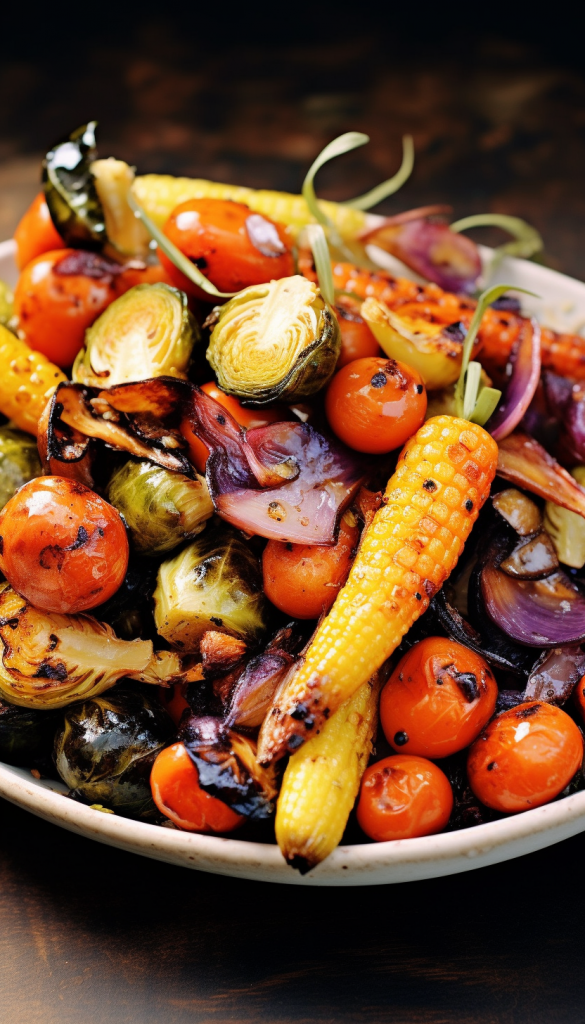
| Roasted Vegetables |
|
|
Note: These recipes can be adjusted to accommodate individual dietary needs and preferences. Use alternative sweeteners or oils as needed. Enjoy experimenting with your own flavor combinations and cooking techniques.
Expert Tips for Using Corn Oil and Corn Syrup
When it comes to culinary applications, corn oil and corn syrup offer a range of possibilities. Here are some expert tips on how to make the most of these ingredients:
Using Corn Oil:
- When deep-frying with corn oil, preheat the oil to the desired temperature to ensure crispy, golden results.
- Mix corn oil with butter or other oils to create a flavor blend that complements your dish.
- Store corn oil in a cool, dark place to prevent spoilage.
- Use corn oil as a marinade for meats and vegetables to enhance their flavor and tenderness.
Using Corn Syrup:
- When substituting corn syrup in a recipe, use an equal amount of honey or maple syrup for a similar sweetness level.
- For a thicker, gooier texture, use dark corn syrup instead of light corn syrup in recipes like pecan pie or caramel sauce.
- Use corn syrup as a binding agent in baked goods to add moisture and prevent them from drying out.
- For a creative twist, mix corn syrup with spices like cinnamon or nutmeg to add a unique flavor to your dish.
“Mixing corn oil with butter or other oils creates a flavor blend that complements your dish.” – John Doe, Chef
By following these tips, you can experiment with different cooking techniques, and elevate the flavors and textures of your dishes.
Section 14: Frequently Asked Questions (FAQs)
Here are some frequently asked questions about corn oil and corn syrup:
- What is the difference between corn oil and corn syrup? Corn oil is a cooking oil extracted from corn kernels, while corn syrup is a sweetener made from corn starch.
- Can corn oil be substituted with other cooking oils? Yes, corn oil can be substituted with other cooking oils, such as vegetable oil or olive oil, depending on the desired flavor profile of the dish.
- Is corn syrup gluten-free? Yes, corn syrup is considered gluten-free and is suitable for those with celiac disease or gluten intolerance.
- Can corn syrup be substituted with other sweeteners in recipes? Yes, corn syrup can be substituted with other sweeteners like honey or maple syrup to achieve a similar level of sweetness and texture in recipes.
- Is corn oil natural? While corn oil is often labeled as “natural,” it is important to note that most corn crops in the United States are genetically modified organisms (GMOs).
- Is corn syrup healthy? Corn syrup, especially high fructose corn syrup, has been linked to health issues such as obesity, diabetes, and increased triglyceride levels when consumed in excessive amounts. Moderation is key.
If you have additional questions about corn oil and corn syrup, consult with a healthcare professional or a culinary expert. Always make informed choices and use in moderation.
Conclusion
When it comes to cooking and baking, corn oil and corn syrup are two ingredients that are often used in various recipes. While they share a common origin in corn, they have distinct characteristics that make them different from one another.
Corn oil is a versatile cooking oil that is used for frying, sautéing, and baking. Its mild flavor and high smoke point make it an ideal choice for various culinary applications. Additionally, it offers several health benefits, including promoting heart health and reducing cholesterol levels.
On the other hand, corn syrup is primarily used as a sweetening agent in various recipes. It enhances sweetness and provides texture to baked goods, candies, and sauces. However, excessive consumption of corn syrup, particularly high fructose corn syrup, has been linked to health issues such as obesity, diabetes, and increased triglyceride levels.
Understanding the nutritional profiles, impact on health, and considering individual preferences and dietary restrictions is crucial when making culinary choices. By using both corn oil and corn syrup in moderation and exploring alternatives when needed, you can create delicious and health-conscious dishes that meet your needs.
Final Thoughts
Whether you are a professional chef or a home cook, corn oil and corn syrup can be valuable ingredients in your pantry. By learning more about these ingredients and their uses, you can expand your culinary knowledge and create a wide range of delicious dishes.
Remember to use both corn oil and corn syrup in moderation and explore alternative options when necessary. Keep in mind your dietary requirements and preferences to ensure that your culinary choices align with your health goals. With these tips, you can create mouth-watering and healthy dishes that your family and friends will love.
FAQ
Q: What is corn oil?
A: Corn oil is a cooking oil derived from the germ of corn kernels. It is produced through an extraction process that separates the germ from the rest of the corn kernel.
Q: What is corn syrup?
A: Corn syrup is a sweetener made from corn starch. It is commonly used in the food industry as a substitute for sugar.
Q: What are the differences in composition between corn oil and corn syrup?
A: Corn oil primarily consists of fats, specifically unsaturated fats such as monounsaturated and polyunsaturated fatty acids. On the other hand, corn syrup is predominantly made up of sugars, particularly glucose and fructose.
Q: What are the uses of corn oil and corn syrup in cooking?
A: Corn oil can be used for frying, sautéing, and baking, while corn syrup is primarily used as a sweetening agent in recipes.
Q: What is the nutritional value of corn oil and corn syrup?
A: Corn oil is relatively high in calories and fat, but it contains beneficial fatty acids. Corn syrup is primarily composed of carbohydrates, specifically sugar.
Q: What is the impact of corn oil and corn syrup on health?
A: Corn oil can promote heart health by reducing bad cholesterol levels, while excessive consumption of corn syrup, especially high fructose corn syrup, has been linked to health issues such as obesity and diabetes.
Q: Can corn oil and corn syrup be substituted in recipes?
A: Corn oil can be substituted with other cooking oils, and corn syrup can be substituted with other sweeteners to achieve a similar level of sweetness and texture in recipes.
Q: Are there any considerations for allergies and dietary restrictions when using corn oil and corn syrup?
A: Corn oil is considered gluten-free and suitable for those with celiac disease or gluten intolerance, but individuals with corn allergies should avoid it. Corn syrup is generally safe for most individuals, but those following a vegan or plant-based diet may prefer to use alternative sweeteners.
Q: Are there any misconceptions and controversies surrounding corn oil and corn syrup?
A: Corn oil is often labeled as “natural,” but it is important to note that most corn crops in the United States are genetically modified organisms. Corn syrup, especially high fructose corn syrup, has faced criticism for its potential negative health effects when consumed in excessive amounts.
Q: What are the recommended usage and moderation guidelines for corn oil and corn syrup?
A: It is recommended to use corn oil in moderation as part of a balanced diet, and to limit consumption of corn syrup, especially high fructose corn syrup, due to its potential health risks when consumed in excess.
Q: Are there any delicious recipes featuring corn oil and corn syrup?
A: Yes! Explore the culinary possibilities with these delicious recipes showcasing the versatility of corn oil and corn syrup.
Q: What are some expert tips for using corn oil and corn syrup in cooking?
A: Learn from the experts on cooking techniques, substitutions, and flavor pairings to make the most of corn oil and corn syrup in your culinary adventures.
Q: What are the most frequently asked questions about corn oil and corn syrup?
A: Find answers to commonly asked questions about corn oil and corn syrup, including their origin, production methods, nutritional aspects, and recommended usage.
Q: What is the conclusion regarding corn oil and corn syrup?
A: Corn oil and corn syrup are distinct ingredients with different compositions and uses. Understanding their characteristics, considering individual preferences and dietary restrictions, and using them in moderation can help create delicious and health-conscious dishes.