


Yes, you can use sunscreen after applying shea butter. Shea butter is a natural moisturizer known for its nourishing properties, but it is not a substitute for sunscreen. Sunscreen provides protection against harmful UV rays that can cause skin damage and increase the risk of skin cancer. Applying sunscreen over shea butter is recommended to ensure your skin is adequately protected from the sun’s rays. Allow the shea butter to absorb into your skin for a few minutes before applying sunscreen to ensure effective sun protection. This combination helps to keep your skin hydrated while also safeguarding it from potential sun damage.
Many of us have a skincare routine that involves using multiple products to achieve our desired results. However, when it comes to combining certain products, we may be unsure of how they interact with each other. One common question that arises is whether we can use sunscreen after applying shea butter.
Shea butter is known for its moisturizing properties and is often used as a natural alternative to conventional moisturizers. Meanwhile, sunscreen is a crucial step in protecting our skin from UV rays and preventing damage. So, is it safe and effective to use these two products together?
Key Takeaways:
- Using sunscreen and shea butter in combination is a common skincare concern.
- Sunscreen protects the skin from harmful UV rays, while shea butter moisturizes and nourishes the skin.
- Shea butter does not provide sufficient sun protection and should not be relied upon as the sole method of sun protection.
The Purpose of Sunscreen and Shea Butter
When it comes to taking care of our skin, it’s important to use products that serve different purposes. Sunscreen is a crucial part of any skincare routine, as it is designed to protect the skin from harmful UV rays that can cause damage and increase the risk of skin cancer.
On the other hand, shea butter is a natural moisturizer that can help nourish and soothe the skin. It is especially beneficial for those with dry or sensitive skin, as it can hydrate and improve the appearance of the skin over time.
While sunscreen and shea butter may seem like different skincare products with separate purposes, they can actually complement each other when used correctly. By understanding the individual benefits they offer, we can use them together for a more well-rounded approach to skincare.
Understanding Sun Protection Factor (SPF)
When it comes to sun protection, you may have heard the term “SPF” being thrown around. But what exactly does it mean? SPF stands for Sun Protection Factor, which indicates the level of protection a sunscreen product offers against harmful UV rays.
The higher the SPF number, the greater the level of protection. For example, SPF 15 filters out approximately 93% of UVB rays, while SPF 30 filters out around 97%. It’s important to note that no sunscreen can provide 100% protection against the sun’s rays, so it’s still possible to get sunburned while wearing sunscreen.
The Importance of SPF
Sunburns are not only painful, but they can also cause long-term damage to the skin, such as premature aging and an increased risk of skin cancer. This is why wearing sunscreen with a sufficient SPF level is crucial for protecting your skin from harmful UV rays.
The American Academy of Dermatology recommends using a broad-spectrum sunscreen with an SPF of 30 or higher, which means it protects against both UVA and UVB rays. If you have fair or sensitive skin, you may want to opt for a higher SPF level to provide extra protection.
How to Use SPF
Simply applying sunscreen once in the morning is not enough to fully protect your skin. It’s important to reapply sunscreen every two hours, or more frequently if you’re swimming or sweating. Don’t forget to cover all areas of your skin, including your face, neck, ears, and hands.
To ensure proper coverage, use about one ounce of sunscreen (equivalent to a shot glass) for each application. It may be helpful to set a reminder on your phone to reapply sunscreen throughout the day.
Benefits of Using Shea Butter
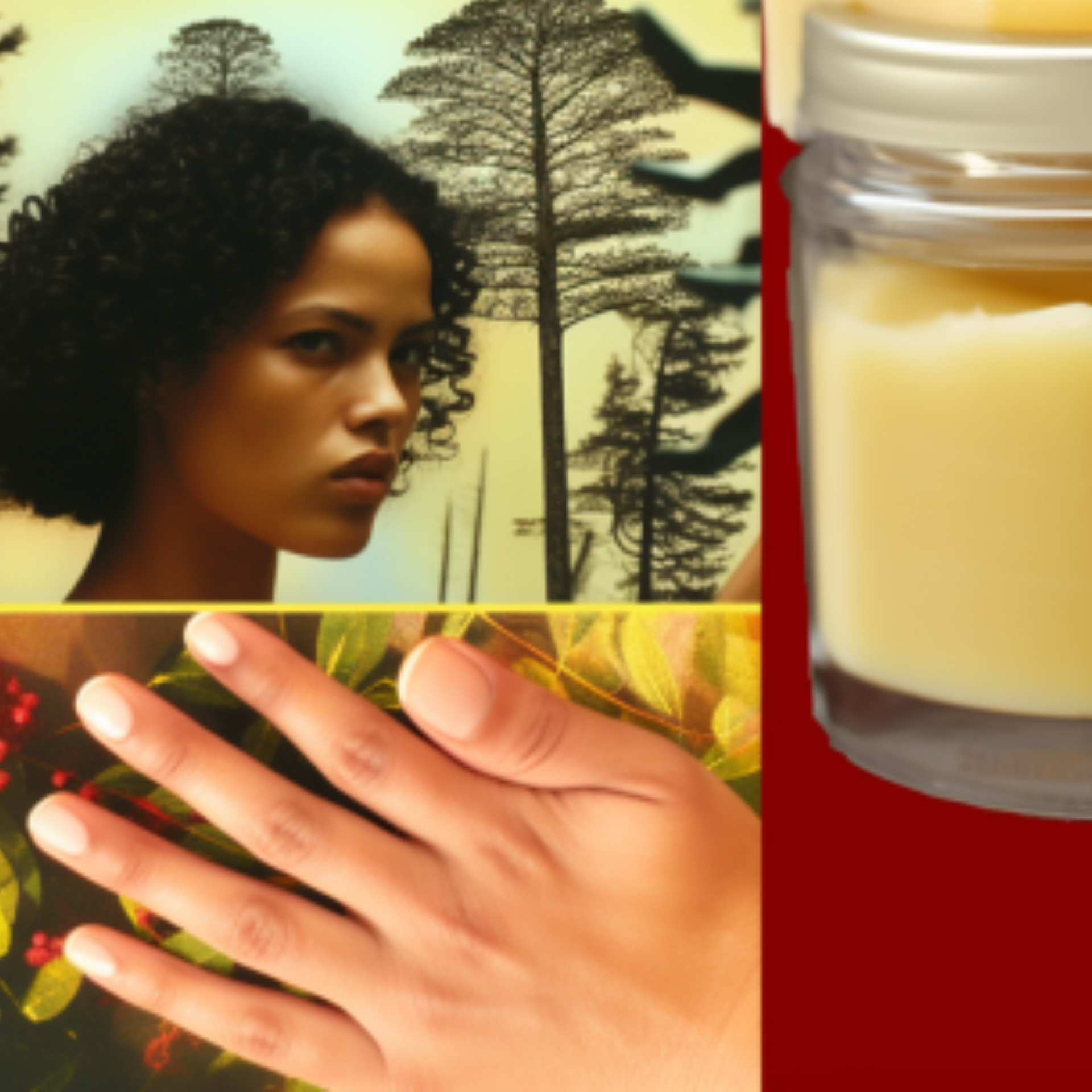
Shea butter has been used for centuries in traditional African medicine for its healing and moisturizing properties. Today, it is widely recognized as a popular natural ingredient in skincare products, thanks to its numerous benefits for the skin.
One of the main advantages of using shea butter is its ability to provide deep hydration to the skin without leaving a greasy residue. Its high concentration of fatty acids and vitamins helps to nourish and moisturize the skin, making it an excellent choice for those with dry, flaky, or dehydrated skin.
In addition to its hydrating properties, shea butter also contains anti-inflammatory compounds that can help soothe irritated or inflamed skin. It may also offer some protection against sun damage and the signs of aging, thanks to its antioxidant content.
Overall, incorporating shea butter into your skincare routine can help promote healthier and more radiant-looking skin, especially when used in conjunction with other effective skincare products like sunscreen.
Applying Shea Butter Before Sunscreen
Many people apply shea butter before putting on sunscreen as it can provide moisture and nourishment to the skin. However, there are concerns regarding the effectiveness of sunscreen when applied over a layer of shea butter.
While shea butter can provide some level of sun protection due to its natural SPF of around 6, it is not sufficient on its own to protect against harmful UV rays. Application of sunscreen is necessary to ensure maximum protection against the sun’s damaging effects.
The concern with applying shea butter before sunscreen is that it may create a barrier on the skin, preventing the sunscreen from being absorbed and reducing its effectiveness. For this reason, it is recommended to use sunscreen as the final layer of protection, after any moisturizers or other skincare products.
If you prefer to use shea butter before sunscreen, consider using a lighter, less greasy shea butter formula, and wait a few minutes between applying the shea butter and the sunscreen to allow for absorption and prevent potential interference.
Ultimately, while shea butter can provide nourishment and moisturization to the skin, it should not be relied upon as the only method of sun protection. Always prioritize the use of sunscreen for proper protection against the sun’s harmful rays.
Sunscreen Application Process
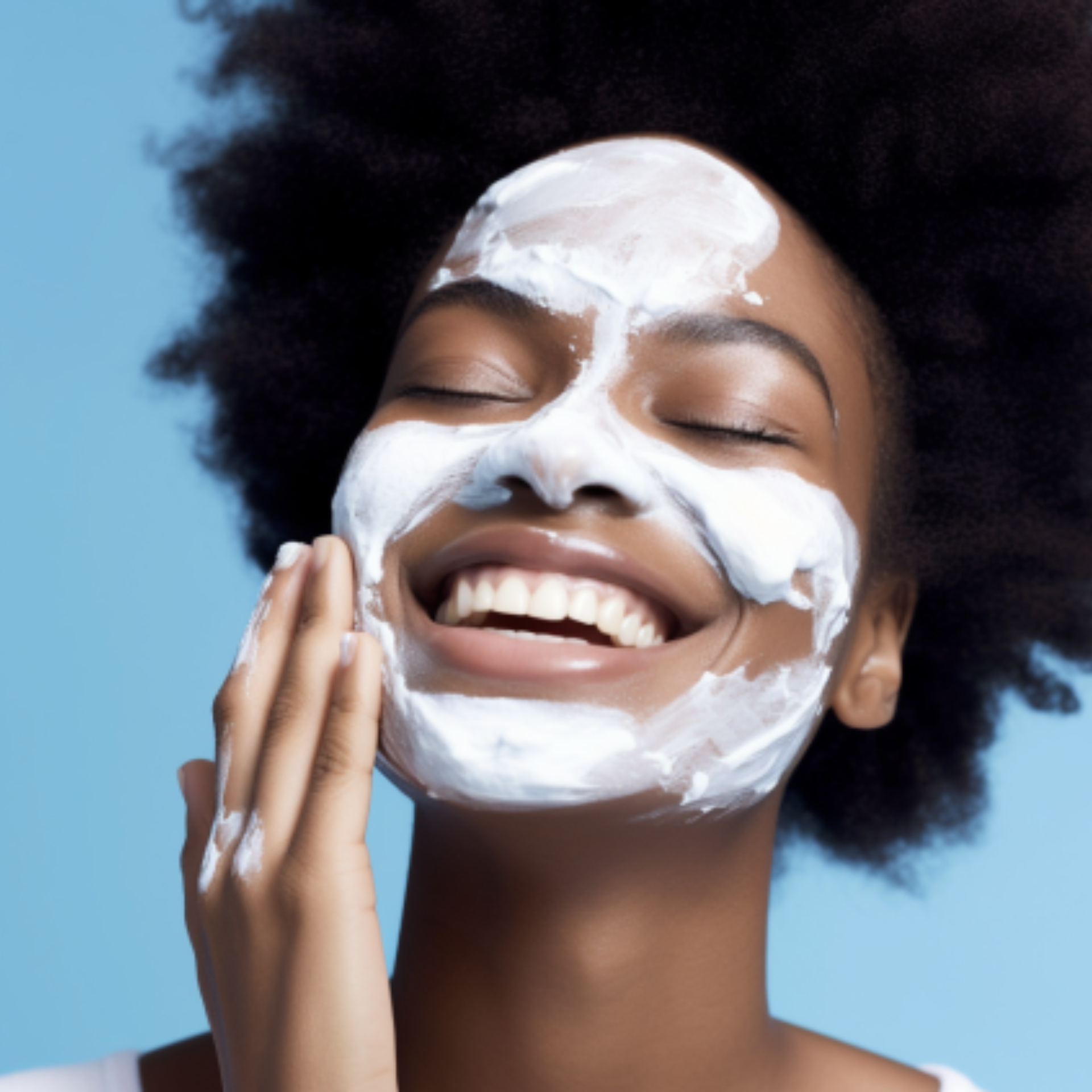
Proper application of sunscreen is crucial for effective sun protection. Follow these steps:
- Start with clean, dry skin. If you have just applied shea butter, wait a few minutes before applying sunscreen.
- Apply sunscreen at least 15 minutes before sun exposure to allow it to fully absorb into the skin.
- Use about a shot glass worth of sunscreen (1 ounce) to cover your entire body.
- Apply sunscreen to all exposed areas, including your face, neck, ears, arms, and legs. Don’t forget hard-to-reach areas like your back and the back of your legs.
- Reapply sunscreen every two hours or immediately after swimming or sweating.
- For the face, choose a sunscreen specifically designed for the facial skin, and apply it before makeup.
- Don’t skimp on sunscreen – the more thorough and even your coverage, the better your protection.
Remember, sunscreen is vital for protecting against harmful UV rays that can cause sunburn, damage, and ultimately lead to skin cancer. Use it as the final step in your skincare routine for optimal protection.
Limitations of Shea Butter as Sun Protection
While shea butter has many benefits for the skin, it is important to note that it does not provide sufficient protection against harmful UV rays. The use of shea butter as a standalone sun protection method is not recommended and may lead to sunburn and other skin damage.
Shea butter is not formulated with sun protection in mind and does not have an SPF rating. Thus, it cannot be relied upon as the sole means of protecting skin from the sun’s harmful rays. Even when used in combination with other sun protection methods, such as sunscreen, the protective benefits of shea butter may still be limited.
Using Sunscreen After Shea Butter Application
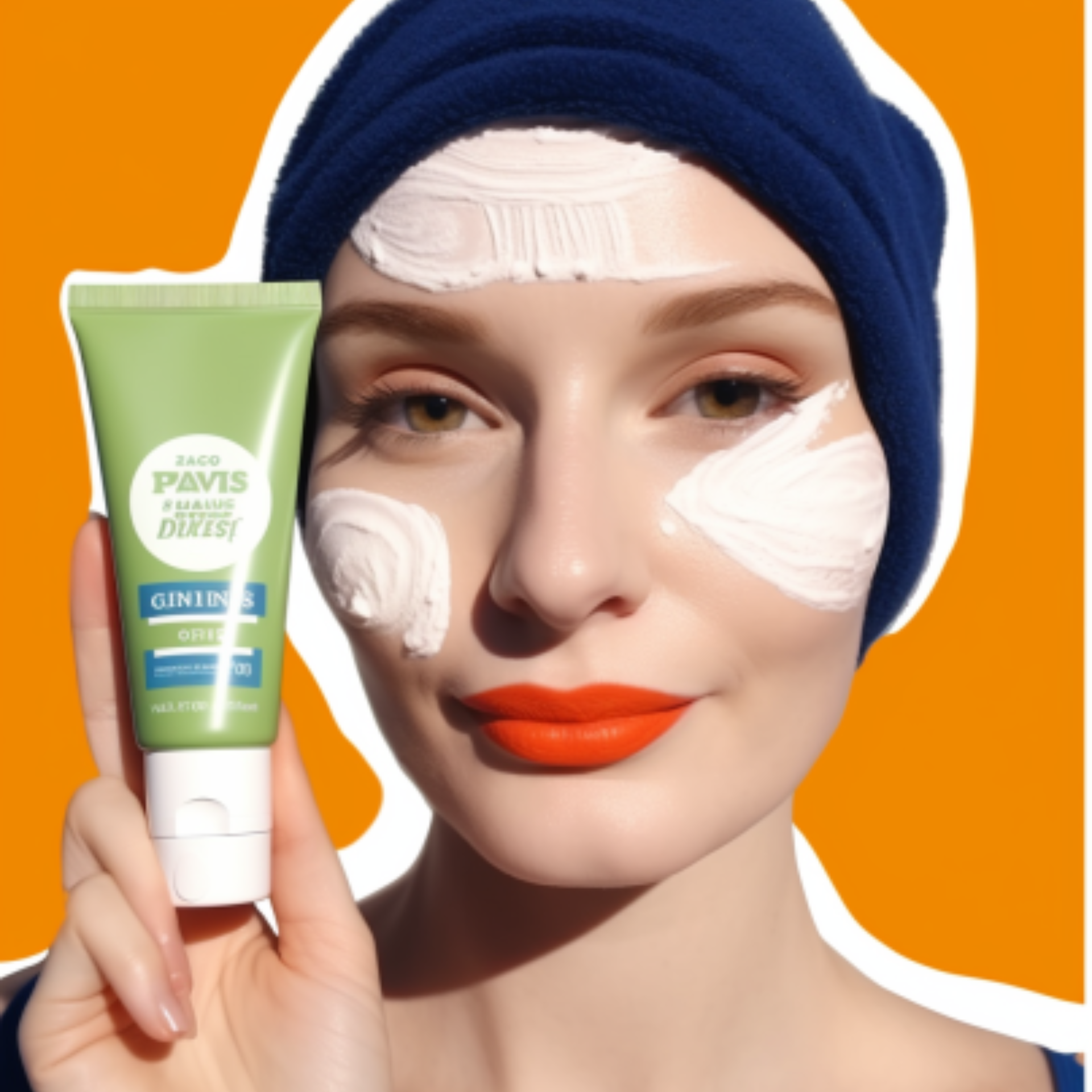
So, is it safe and effective to use sunscreen after applying shea butter? The answer is yes, it is safe to use sunscreen after applying shea butter. However, it is important to apply sunscreen as the final layer for proper sun protection. While shea butter can provide moisturization, it does not provide sufficient protection against harmful UV rays, and should not be relied upon as the sole sun protection method.
When using both products together, it is recommended to apply shea butter at night for its moisturizing benefits, and use sunscreen as the final step in the morning before going outside. This will ensure that the sunscreen is not compromised by the presence of shea butter, and that your skin is properly protected from the sun’s harmful rays.
Tips for Using Shea Butter and Sunscreen Together
While using shea butter before sunscreen may not provide adequate sun protection, it can still be a beneficial addition to your skincare routine. Here are some tips for incorporating both shea butter and sunscreen into your daily regimen:
- Apply shea butter at night: Since sun exposure is not a concern at night, applying shea butter before bed can provide moisturizing benefits without interfering with sunscreen efficacy.
- Use sunscreen as the final step: After cleansing and applying any other skincare products, make sure to apply sunscreen as the final layer before going outside.
- Reapply sunscreen regularly: Even if you have applied sunscreen in the morning, it’s important to reapply every two hours or more frequently if you’re swimming or sweating.
- Consider a moisturizer with SPF: For those who prefer not to use shea butter before sunscreen, using a moisturizer with added SPF can provide moisturization and sun protection in one step.
Remember, the most important thing is to prioritize proper sun protection by using sunscreen as the final step in your skincare routine. Incorporating shea butter or other natural moisturizers separately can enhance the health and appearance of your skin without compromising sun protection effectiveness.
Natural Alternatives to Shea Butter
If you want to avoid using shea butter before applying sunscreen, there are several natural alternatives that can provide similar moisturizing benefits without compromising sun protection.
| Natural Moisturizers | Benefits |
|---|---|
| Aloe vera | Has hydrating properties and can soothe sunburns or irritated skin |
| Coconut oil | Acts as a natural sunscreen with low SPF and moisturizes the skin |
| Jojoba oil | Lightweight and non-greasy oil that can hydrate the skin without clogging pores |
| Grapeseed oil | Contains antioxidants that can protect the skin from free radical damage |
Before trying any of these alternatives, it is important to test them on a small area of skin to ensure there is no allergic reaction or sensitivity.
Remember, while natural ingredients can provide great benefits for the skin, sunscreen should always be the final layer of protection against harmful UV rays.
Other Ways to Protect Your Skin
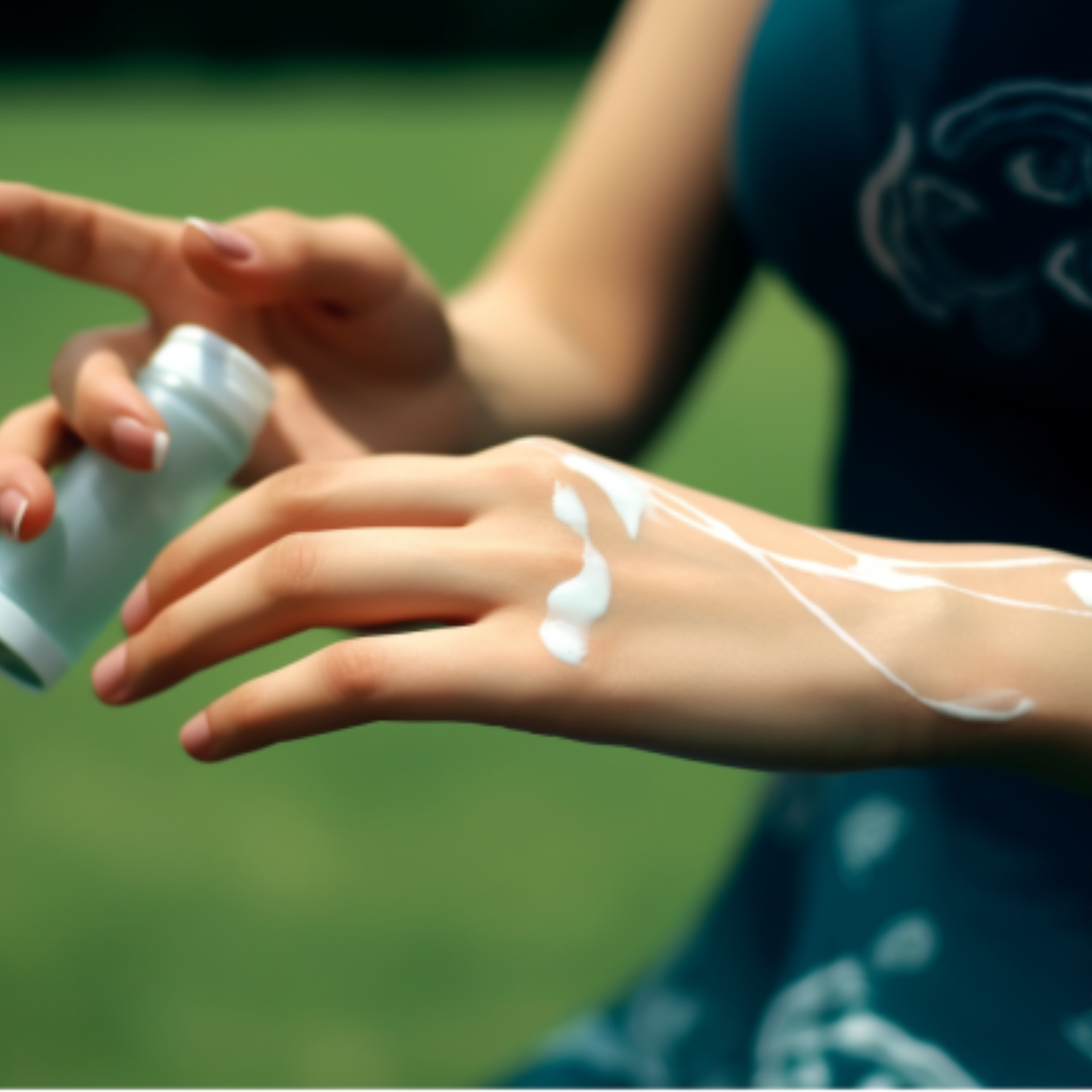
While sunscreen and shea butter can be helpful in protecting your skin, there are other methods you can use to reduce sun damage. Here are a few tips:
- Seek shade: When possible, stay in the shade during peak sun hours, typically from 10 am to 4 pm.
- Wear protective clothing: Opt for lightweight, loose-fitting clothing that covers your arms and legs, and a wide-brimmed hat that shades your face, neck, and ears.
- Avoid tanning: Whether it’s through sunbathing or using tanning beds, avoid activities that promote a tan.
- Stay hydrated: Drinking plenty of water can help keep your skin hydrated and healthy.
By taking a holistic approach to sun protection, you can ensure your skin stays healthy and beautiful for years to come.
Choosing the Right Sunscreen and Shea Butter Products
When it comes to selecting the right sunscreen and shea butter products, there are a few important factors to consider. By taking these into account, you can ensure that you are choosing products that will provide maximum benefits for your skin type and sun protection needs.
Skin Type
One of the most important factors to consider when choosing a sunscreen or shea butter product is your skin type. If you have oily or acne-prone skin, you may want to opt for a lightweight, oil-free sunscreen. If you have sensitive skin, look for products labeled “fragrance-free” or “hypoallergenic.” Shea butter is generally suitable for all skin types, but if you have very dry skin, you may want to choose a heavier, more emollient formula.
SPF Level
The Sun Protection Factor, or SPF, indicates the level of UVB protection a sunscreen provides. The American Academy of Dermatology recommends using a sunscreen with an SPF of at least 30. Keep in mind that a higher SPF doesn’t necessarily mean better protection – it simply means the sunscreen will provide protection for a longer period of time. Shea butter does not have an SPF rating and should not be relied upon as a standalone sun protection method.
Product Ingredients
It’s also important to consider the ingredients in the sunscreen or shea butter product you choose. Look for sunscreens that contain zinc oxide or titanium dioxide, which are physical blockers that provide broad-spectrum protection. Avoid sunscreens that contain oxybenzone, which can irritate the skin and harm coral reefs. When selecting a shea butter product, look for pure, unrefined shea butter without added fragrances or preservatives.
Brand Reputation
Finally, consider the reputation of the brand you are purchasing from. Look for brands that are known for producing high-quality, effective products that are backed by scientific research. Check online reviews and ratings to get an idea of what other customers think of the product, and choose brands that have a good reputation for customer service and satisfaction.
Conclusion
After exploring the benefits and concerns of using sunscreen and shea butter together, it is clear that sunscreen should always be the final layer for proper sun protection. While shea butter can provide moisturization and other skincare benefits, it does not offer sufficient protection against harmful UV rays.
To protect your skin effectively, prioritize sunscreen with a suitable SPF level and reapply as needed throughout the day.
If you choose to incorporate shea butter or other natural moisturizers into your skincare routine, apply them separately from your sunscreen. Consider using shea butter at night for its moisturizing properties, and always apply sunscreen as the final step in the morning before going outside.
Remember the Basics
In addition to using sunscreen and moisturizers, it’s essential to remember the basics of sun protection. Seek shade during peak sun hours, wear protective clothing, and don’t forget to protect your eyes with sunglasses. Taking a holistic approach to sun protection can help keep your skin healthy and glowing.
Choosing the Right Products
When choosing sunscreen and shea butter products, consider your individual needs and preferences. Look for sunscreen with a suitable SPF level for your skin type, and choose shea butter or other natural moisturizers based on your skin’s specific needs. Always read product labels and avoid ingredients that may cause irritation or allergic reactions.
By following these tips and incorporating the right products into your skincare routine, you can enjoy healthy, glowing skin while protecting yourself from the harmful effects of the sun.
FAQ: Can We Use Sunscreen After Using Shea Butter?
Q: What is the purpose of sunscreen and shea butter in skincare?
A: Sunscreen is essential for protecting the skin against harmful UV rays, while shea butter moisturizes and nourishes the skin.
Q: What is the Sun Protection Factor (SPF)?
A: SPF indicates the level of protection offered by sunscreen. Different skin types require different SPF levels, and sunscreen should be reapplied throughout the day.
Q: What are the benefits of using shea butter?
A: Shea butter has moisturizing properties, soothes irritation, and may have anti-inflammatory effects. It is a great addition to a skincare routine.
Q: Should I apply shea butter before sunscreen?
A: While it is a common practice, applying shea butter before sunscreen may compromise sun protection. Sunscreen should always be the final layer for proper sun protection.
Q: How should I apply sunscreen?
A: Apply sunscreen in the recommended amount, covering all exposed areas of the body. Reapply regularly and ensure thorough and even coverage.
Q: Can shea butter alone provide sufficient sun protection?
A: No, shea butter does not offer enough protection against harmful UV rays and should not be relied upon as the sole sun protection method.
Q: Is it safe and effective to use sunscreen after applying shea butter?
A: Yes, it is safe to use sunscreen after applying shea butter. Shea butter provides moisturization, but sunscreen should always be the final layer for proper sun protection.
Q: Do you have any tips for using shea butter and sunscreen together?
A: Apply shea butter at night for its moisturizing benefits and use sunscreen as the final step in the morning before going outside.
Q: Are there natural alternatives to shea butter?
A: Yes, there are other natural moisturizers available that can provide similar benefits without potentially compromising sunscreen effectiveness.
Q: What are other ways to protect the skin?
A: Seek shade, wear protective clothing, and avoid peak sun hours to further protect your skin from sun damage.
Q: How do I choose the right sunscreen and shea butter products?
A: Consider factors such as your skin type, SPF level, and product ingredients when selecting suitable sunscreen and shea butter products.
Note: The above content is a guideline and may require editing and formatting to fit the final design and layout of the article.