

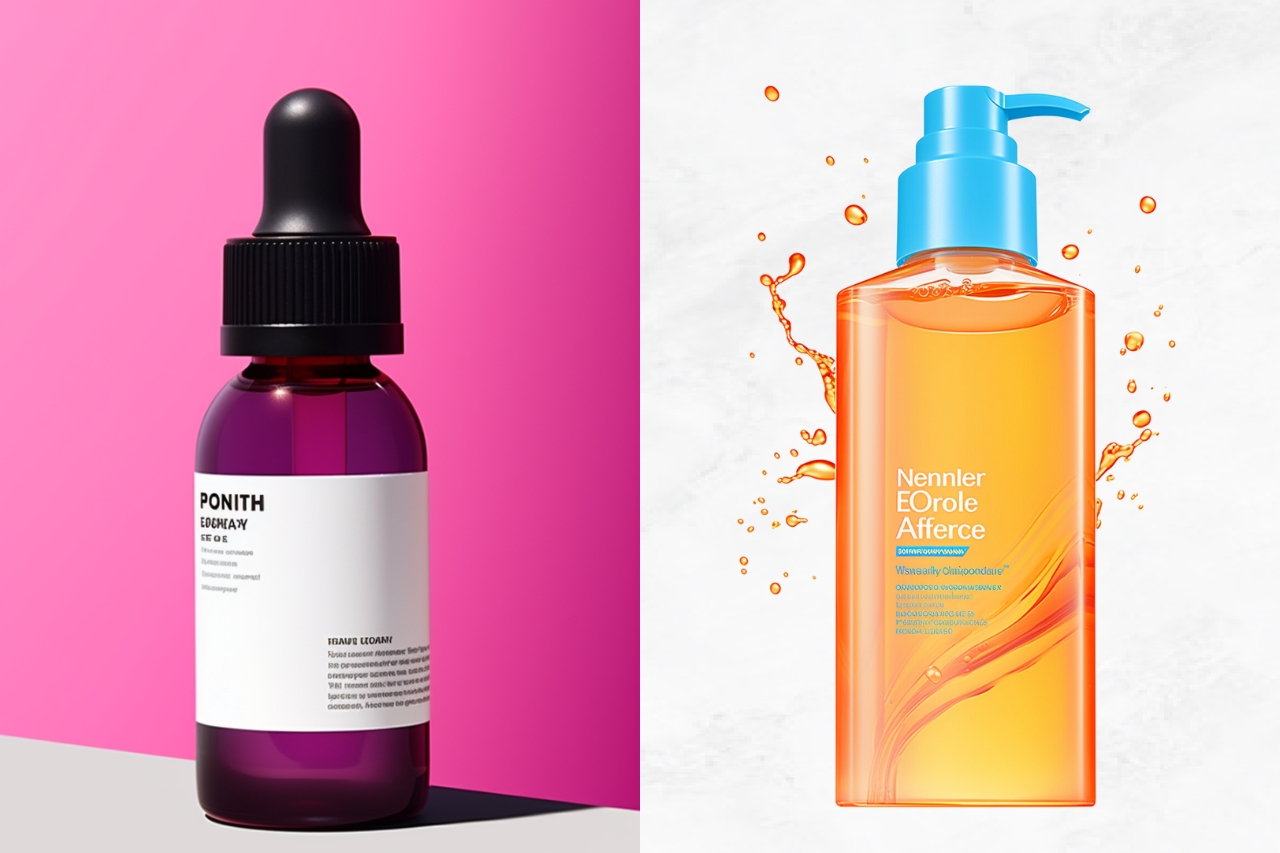
The choice between lactic acid and salicylic acid for your skincare routine depends on your specific skin concerns and needs. Lactic acid is an alpha hydroxy acid (AHA) known for its exfoliating properties, helping to remove dead skin cells and promote a smoother, more even complexion. It’s particularly beneficial for addressing dryness, dullness, and fine lines. On the other hand, salicylic acid is a beta hydroxy acid (BHA) that is oil-soluble, making it great for penetrating pores and treating acne, blackheads, and oily skin. It has anti-inflammatory properties and can help improve overall skin texture. To decide which acid is right for you, consider your skin type, concerns, and any potential sensitivities. Lactic acid might suit those seeking improved texture and hydration, while salicylic acid can be better for addressing acne and related issues. Incorporating these acids gradually and using proper sun protection is essential for a successful skincare routine. Consulting a dermatologist can help determine the best choice based on your individual skin needs.
When it comes to skincare, choosing the right products can be overwhelming. With so many options available, it’s important to understand the ingredients and their benefits for your skin. Lactic acid and salicylic acid are two popular ingredients in skincare products, but what are the differences between them?
Lactic acid and salicylic acid offer unique benefits for different skin types and concerns. Lactic acid is a type of alpha hydroxy acid (AHA) derived from milk and has excellent exfoliating properties. On the other hand, salicylic acid is a beta hydroxy acid (BHA) commonly used in skincare products for acne-prone skin.
If you’re unsure which acid to incorporate into your skincare routine, keep reading to learn more about the benefits and differences between lactic acid and salicylic acid.
Key Takeaways:
- Lactic acid is an AHA and is derived from milk. It offers gentle exfoliation and hydration, making it suitable for dry and sensitive skin types.
- Salicylic acid is a BHA and is commonly used in skincare products for acne-prone skin. It has excellent exfoliating properties and can penetrate deep into the pores to unclog them.
- Consider your skin type and concerns when choosing the right acid for your skincare routine, and always patch test before incorporating a new product.
What is Lactic Acid?
Lactic acid is an alpha hydroxy acid (AHA) commonly found in skincare products. It is derived from milk and has excellent exfoliating properties, effectively removing dead skin cells and promoting cell turnover. This gentle acid is also known for its hydrating properties, making it suitable for dry and sensitive skin types.
Unlike other AHAs, lactic acid has a larger molecular size, allowing it to penetrate the skin more slowly and reducing the risk of irritation. Its ability to exfoliate and hydrate makes it a popular ingredient in many skincare products, from cleansers to masks and serums. Lactic acid can also help to improve the appearance of fine lines and wrinkles, as well as evening out the skin tone.
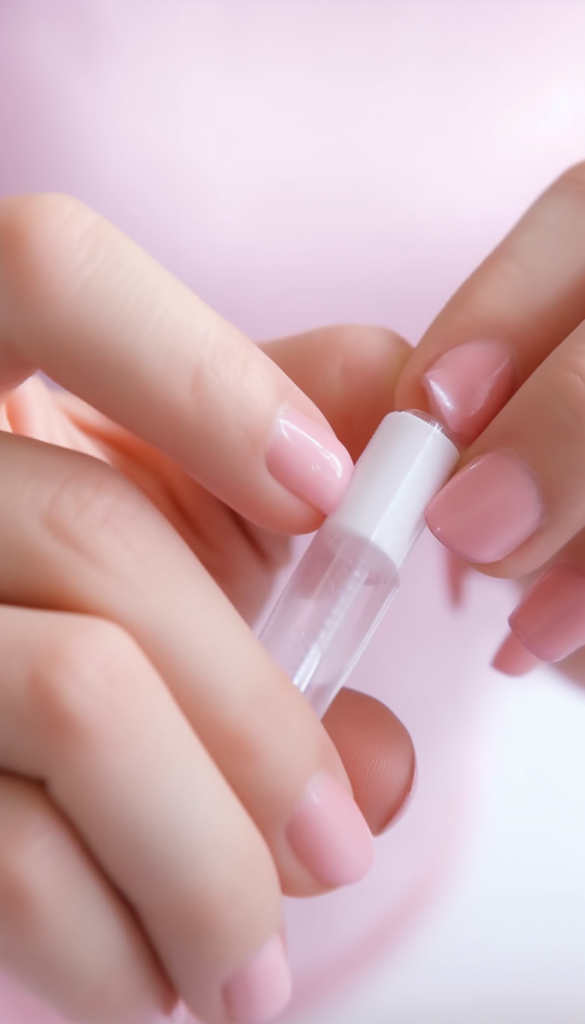
Benefits of Lactic Acid
Lactic acid offers numerous benefits for the skin. Its gentle exfoliating properties make it suitable for those with sensitive skin. Here are some of the benefits:
- Improves skin texture
- Reduces the appearance of fine lines and wrinkles
- Even out the skin tone
- Unclogs pores and reduces acne breakouts
Lactic acid is also known for its hydrating properties, making it suitable for dry and sensitive skin types. If you have these skin concerns, lactic acid may be the right choice for you.
Tip: Remember to start with a lower concentration when using lactic acid in your skincare routine to avoid any potential irritation.
How to Use Lactic Acid
When incorporating lactic acid into your skincare routine, it’s crucial to start with a lower concentration to avoid any potential skin irritation. Lactic acid is an exfoliant that removes dead skin cells and promotes cell turnover, resulting in smoother and brighter skin. It can also help to maintain hydration levels in the skin, making it suitable for those with dry or sensitive skin.
To use lactic acid, start by cleansing your face and drying it thoroughly. Next, apply a small amount of lactic acid to your fingertips and gently massage it onto your face, avoiding the eye area. You can leave it on for a few minutes before rinsing it off with warm water. It’s recommended to use lactic acid at night and follow up with a moisturizer to maintain hydration levels.
Gradually increase the frequency of application as your skin gets used to the acid. If you experience any redness, irritation, or dryness, reduce the frequency of use or consult with a dermatologist for personalized advice. It’s essential to use sunscreen during the day as lactic acid can increase sensitivity to the sun.
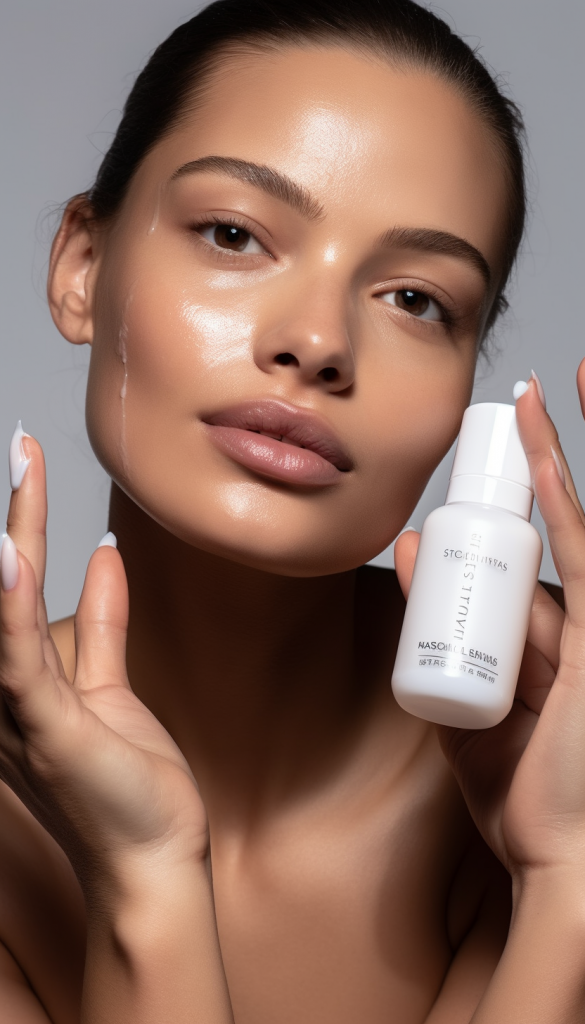
What is Salicylic Acid?
Salicylic acid is a beta hydroxy acid (BHA) commonly used in skincare products for acne-prone skin. This acid penetrates deep into the pores to unclog them, making it ideal for treating blackheads and whiteheads. Salicylic acid is also known for its anti-inflammatory properties, making it effective in calming irritated skin and reducing redness associated with acne.
Benefits of Salicylic Acid
Salicylic acid offers multiple benefits for skincare. Thanks to its exfoliating properties, it can help to unclog pores and prevent acne breakouts. Additionally, salicylic acid can reduce blackheads and whiteheads, and control excess oil production. This makes it particularly effective for those with oily or acne-prone skin.
Another benefit of salicylic acid is its anti-inflammatory properties. This can help to reduce redness and calm irritated skin. However, it’s important to note that salicylic acid may have a drying effect and can cause excessive dryness on already dry or sensitive skin types.
How to Use Salicylic Acid
Salicylic acid is typically used in the form of cleansers, toners, or spot treatments. Start by using it once a day and gradually increase the frequency as your skin tolerates it.
For oily or acne-prone skin, a salicylic acid cleanser can help to control excess oil production and prevent breakouts. Apply a small amount to wet skin and massage in gentle circular motions, then rinse with warm water.
If you have particularly stubborn acne, a spot treatment with salicylic acid can be effective. Apply a small amount directly to the affected area before moisturizing.
It’s important to follow up with sunscreen during the day as salicylic acid can increase sensitivity to the sun. Incorporating a moisturizer into your skincare routine can also help to minimize any dryness or irritation caused by salicylic acid.
Lactic Acid Vs Salicylic Acid: Skin Compatibility
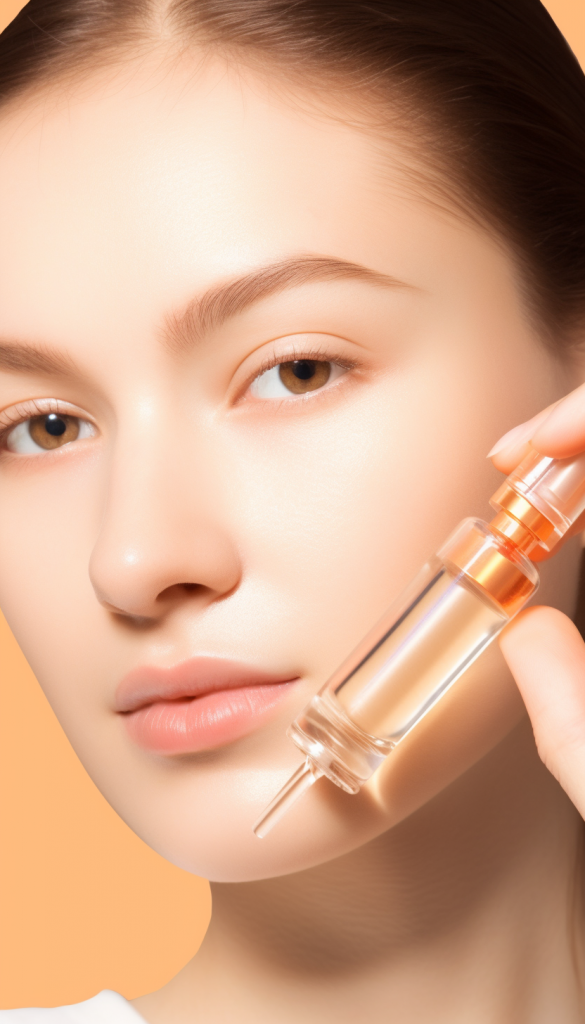
When it comes to choosing between lactic acid and salicylic acid, it’s essential to consider your skin type and compatibility. While both acids have numerous benefits, they may not be suitable for all skin types.
| Lactic Acid | Salicylic Acid |
|---|---|
| Lactic acid is generally considered safe for all skin types. Its hydrating properties make it an excellent option for dry and sensitive skin types. However, those with extremely sensitive skin might experience mild irritation. | Salicylic acid is ideal for oily or acne-prone skin types. However, it may cause excessive dryness on already dry or sensitive skin. People with very dry skin should avoid using products that contain salicylic acid as it can aggravate their skin. |
It’s important to patch test any new product before incorporating it into your skincare routine. This can help to minimize the risk of adverse reactions. If you have any concerns or questions, consult with a dermatologist for customized advice.
Choosing the Right Acid for Your Skin Type
Choosing between lactic acid and salicylic acid for your skincare routine depends on your skin type and concerns. If you have dry or sensitive skin, lactic acid is a better option due to its hydrating properties and gentle exfoliation. On the other hand, if you have oily or acne-prone skin, salicylic acid can help to control oil production and treat breakouts effectively.
Consulting with a dermatologist can also help determine which acid is suitable for your skin type. Remember to start with a lower concentration product and patch test before incorporating it into your skincare routine. Gradually increase the frequency of application as your skin gets used to the acid. Consistency is key, and don’t forget to follow up with sunscreen during the day.
Tips for Incorporating Acids into Your Skincare Routine
Introducing acids into your skincare routine can be a game-changer, but it’s important to approach it with caution. Here are some tips to ensure a successful and safe integration:
- Start with a low concentration product to avoid any potential irritation.
- Always patch test before applying the product to your entire face.
- Gradually increase the frequency of application as your skin gets used to the acid.
- Follow up with a moisturizer to maintain hydration.
- Be consistent with your skincare routine and introduce only one acid at a time.
- Don’t forget to apply sunscreen during the day as acids can increase sensitivity to the sun.
- If you experience any discomfort or adverse reactions, stop using the product immediately and consult with a dermatologist.
Recommended Products with Lactic Acid
Here are some recommended products that contain lactic acid:
| Product Name | Product Description |
|---|---|
| The Ordinary Lactic Acid 10% + HA | This serum contains 10% lactic acid to provide gentle exfoliation and hyaluronic acid to hydrate the skin. |
| Sunday Riley Good Genes All-In-One Lactic Acid Treatment | This cult favorite treatment contains lactic acid and other AHAs to brighten and even out the skin tone. |
| Pixi Glow Tonic | This toner contains 5% glycolic acid and 0.5% lactic acid to exfoliate and unclog pores, revealing brighter and smoother skin. |
Remember to always patch test before incorporating a new product into your skincare routine and consult with a dermatologist for personalized advice.
Recommended Products with Salicylic Acid
If you’re looking to incorporate salicylic acid into your skincare routine, here are some recommended products:
| Product | Description |
|---|---|
| Paula’s Choice Skin Perfecting 2% BHA Liquid Exfoliant | This cult-favorite exfoliant contains 2% salicylic acid to unclog pores and improve skin texture. |
| Neutrogena Oil-Free Acne Wash | This cleanser contains 2% salicylic acid to target and prevent acne breakouts. |
| COSRX BHA Blackhead Power Liquid | This Korean skincare favorite uses 4% natural BHA to exfoliate and smooth the skin. |
Remember to patch test any new product and gradually increase the frequency of application as your skin adjusts. It’s also important to follow up with sunscreen during the day to protect your skin from UV damage.
Conclusion:
In conclusion, incorporating lactic acid or salicylic acid into your skincare routine can provide multiple benefits. Lactic acid can improve skin texture, reduce the appearance of fine lines and wrinkles, unclog pores, and provide hydration for dry and sensitive skin. Salicylic acid, on the other hand, is effective in controlling excess oil production, preventing future breakouts, and calming irritated skin. When choosing the right acid for your skincare routine, consider your skin type and concerns and always patch test before applying it to your entire face. Remember to consult with a dermatologist for personalized advice.
FAQ
Q: What is the difference between lactic acid and salicylic acid?
A: Lactic acid is a type of alpha hydroxy acid (AHA) derived from milk, while salicylic acid is a beta hydroxy acid (BHA).
Q: What are the benefits of lactic acid?
A: Lactic acid helps to improve skin texture, reduce the appearance of fine lines and wrinkles, even out the skin tone, unclog pores, and reduce acne breakouts.
Q: How should I use lactic acid in my skincare routine?
A: Start with a lower concentration, apply a small amount to clean, dry skin, and gradually increase the frequency. Use it at night and follow up with a moisturizer.
Q: What is salicylic acid used for?
A: Salicylic acid is commonly used in skincare products for acne-prone skin due to its excellent exfoliating properties and anti-inflammatory effects.
Q: What are the benefits of salicylic acid?
A: Salicylic acid helps to control excess oil production, reduce blackheads and whiteheads, prevent future breakouts, and calm irritated skin.
Q: How should I use salicylic acid in my skincare routine?
A: Start with using it once a day and gradually increase the frequency. Follow up with sunscreen during the day due to increased sensitivity to the sun.
Q: Which acid is suitable for my skin type?
A: Lactic acid is generally suitable for all skin types, including sensitive and dry skin. Salicylic acid is more suitable for oily and acne-prone skin.
Q: How do I choose the right acid for my skin type?
A: Consider your skin type and concerns. If you have dry or sensitive skin, lactic acid may be a better option. If you have oily or acne-prone skin, salicylic acid can help. Consult with a dermatologist for personalized advice.
Q: What are some tips for incorporating acids into my skincare routine?
A: Start with low concentration products, patch test before applying to your entire face, increase frequency gradually, be consistent, and always follow up with sunscreen during the day.
Q: Can you recommend any products with lactic acid?
A: Here are some recommended products that contain lactic acid: [list of products with brief descriptions]
Q: Can you recommend any products with salicylic acid?
A: Here are some recommended products that contain salicylic acid: [list of products with brief descriptions]